

Kwaito
Kwaito Top 20 – Part 1
Jan
20 Essential Kwaito Tracks: Part 1
Posted on: July 15, 2026
Author: Sanjay Hari
Originally published: January 24
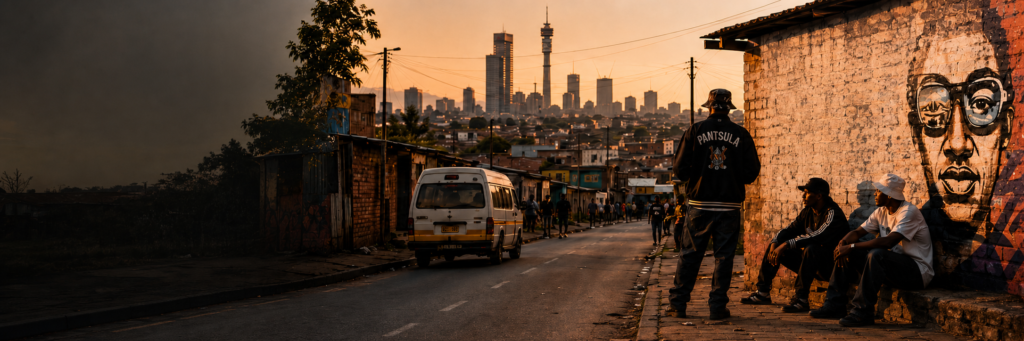
Kwaito arrived in the early 1990s as South Africa was moving out of apartheid and into democracy. Rooted in township youth culture, or kasi, it gave a new generation room to speak, dance, dress and dream in its own languages. Its slower house-derived pulse, heavy bass, programmed drums and streetwise vocals turned local experience into a national sound.
This first instalment begins with records that made that sound impossible to ignore: songs built for cassettes, taxis, street corners, clubs and packed dance floors. From M’du’s elastic basslines to Arthur Mafokate’s direct social commentary, these are ten foundations of a music that still lives loudly in South African culture.
1. M’du – “Tsiki Tsiki”
Released: 1994
M’du Masilela earned the “Godfather of Kwaito” tag for good reason. “Tsiki Tsiki” is an early blueprint: a low-slung groove, an instantly recognisable bass figure and enough space for its rhythm to do the talking. It helped establish M’du as one of the genre’s defining producers and performers, before further hits with Mashamplani and MaWillies expanded his reach.
2. Joe Nina – “Ding Dong”
Released: 1994
“Ding Dong” announced Joe Nina as a major voice in the first wave of kwaito. Melody, chant and rhythm work together without fuss. Nina’s later work as a singer, writer and producer across South African popular music makes this breakthrough feel even more significant in hindsight.
3. Trompies – “Sigiya Ngengoma”
Released: 1995
Trompies brought pantsula energy straight into the music. Pantsula is both a township dance culture and a style of dress. On “Sigiya Ngengoma”, its movement and swagger are inseparable from the groove. The group’s multilingual, call-and-response approach helped turn a street-level sound into a national fixture.
4. Arthur Mafokate – “Kaffir”
Released: 1995
The title uses a deeply offensive racist slur. The record confronts it rather than endorsing it. Its central plea, “baas, don’t call me a kaffir”, turns a word of apartheid-era abuse into a blunt demand for dignity. Mafokate had performed as a dancer with artists including Brenda Fassie, but this controversial, era-defining hit made him a household name and helped cement his “King of Kwaito” reputation.
5. Skeem – “Waar Was Jy”
Released: 1996
Skeem’s “Waar Was Jy” widened the palette without losing kwaito’s centre of gravity. Its R&B and hip-hop shading gave the track a smoother finish, while the beat remained rooted in township dance-floor logic. It is a useful reminder that kwaito was never a single, fixed production formula.
6. MaWillies – “Intwenjani”
Released: 1997
MaWillies brought a raw, memorable voice to M’du’s growing musical world. “Intwenjani” has the unvarnished drive of early kwaito: a persistent rhythmic hook, plainspoken delivery and a feel made to travel beyond the studio. It remains one of the records that captures the genre’s early Soweto energy.
7. TKZee – “Palafala”
Released: 1997
Made up of Tokollo Tshabalala, Kabelo Mabalane and Zwai Bala, TKZee arrived with a polished but distinctly local sound. “Palafala” pairs a strong melodic line with playful phrasing and a club-ready beat, foreshadowing the group’s run of national hits. It is one of the key records from kwaito’s commercial ascent in the late 1990s.
8. Makhendlas – “Iminwe”
Released: 1998
Oupa “Makhendlas” Mafokate brought real charisma to 999 Music, the label founded by his brother Arthur. “Iminwe” was a major club favourite and remains one of early kwaito’s most recognisable records. Makhendlas died later in 1998, cutting short a career that had already made a lasting mark.
9. TKZee – “Shibobo”
Released: 1998
Released around the 1998 FIFA World Cup, “Shibobo” turned football fever into a kwaito anthem. Benni McCarthy’s appearance connected the song to Bafana Bafana, while the familiar keyboard figure and chant-along chorus carried it far beyond the stadium. It remains a vivid example of kwaito’s crossover power.
10. Alaska – “Accuse”
Released: 1999
Alaska, shaped within the Kalawa Jazmee orbit, helped push kwaito towards a more house-leaning finish. On “Accuse”, the steady drum pattern and melodic keyboard work give the track its lift. The instrumental groove is as important as the vocal. It points towards the increasingly fluid relationship between late-1990s kwaito and house music.
These ten tracks map only one route through kwaito’s formative years, but together they show why the music mattered: it was local, inventive, social and built to move people. Part 2 follows the sound as its palette broadens into the late 1990s and early 2000s.